
How to Level Up Your Squats Without Weights
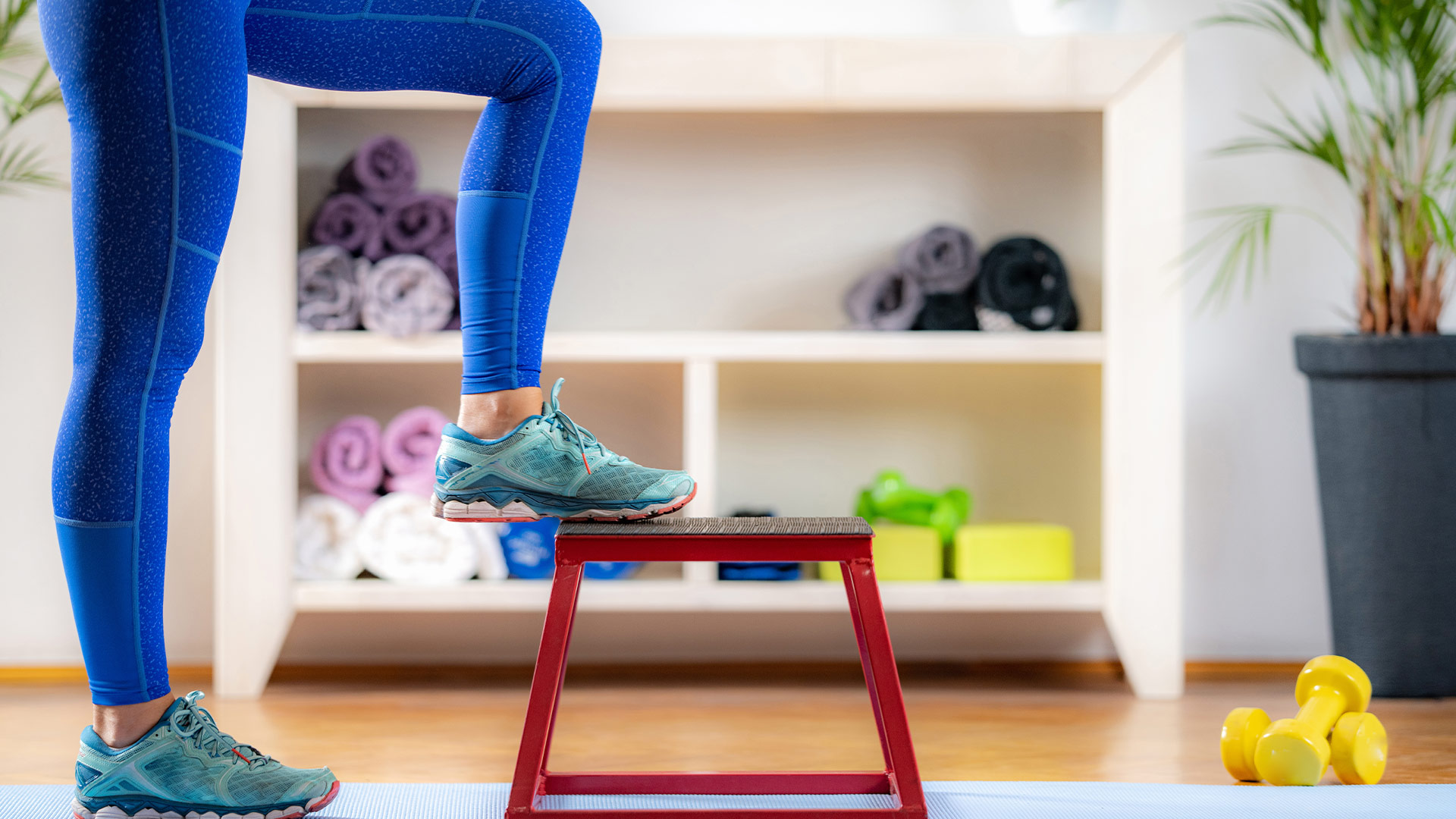
Squats are one of the best exercises you can do for lower-body strength, core stability, and athletic performance. But when you don’t have access to a barbell, dumbbells, or any gear at all, how do you keep progressing?
The truth is, bodyweight squats are incredibly versatile. With a few smart tweaks, you can increase difficulty, intensity, and muscle engagement—no equipment needed. Whether you’re just starting out or trying to break through a plateau, this guide will show you how to level up your squats using nothing but gravity, technique, and your own body.
Why Squats Matter (Even Without Weights)
Squats are a compound movement, which means they work multiple joints and muscle groups at the same time. Key muscles include:
- Quads
- Glutes
- Hamstrings
- Core
- Lower back
- Calves
Done consistently, squats improve:
- Strength and muscle tone
- Hip and ankle mobility
- Posture and spine support
- Balance and coordination
- Athletic power and jump height
Let’s explore how to make bodyweight squats seriously effective.
Start with Solid Bodyweight Form
Before leveling up, master the basics.
Standard Bodyweight Squat:
- Stand with feet shoulder-width apart.
- Toes slightly pointed out.
- Keep chest up, spine neutral.
- Sit your hips back and down like a chair.
- Go as low as comfortable—ideally thighs parallel to the floor.
- Press through your heels to return to standing.
Pro tip: Don’t rush! Control the movement and engage your glutes and core.
Progression 1: Increase Time Under Tension
More time = more muscle fatigue = more gains.
Tempo Squats
- Lower slowly (3–5 seconds down)
- Pause at the bottom (1–3 seconds)
- Explode up
Tempo builds strength and control without added resistance.
Isometric Squat Hold
- Drop into a squat and hold the position for 30–60 seconds
- Add pulses at the bottom for extra burn
These create deep muscle fatigue and boost endurance.
Progression 2: Add Explosiveness
Plyometric squats challenge power, coordination, and speed.
Jump Squats
- Squat down, then jump up as high as you can
- Land softly and go right into the next squat
Tuck Jumps
- After squatting, jump and bring knees to chest
Broad Jumps
- From a squat position, leap forward with both feet
Plyo moves increase intensity fast—start slow and use proper form to protect your joints.
Progression 3: Try Single-Leg Variations
Unilateral movements demand balance and activate stabilizer muscles. They also reveal (and fix) strength imbalances.
Bulgarian Split Squats
- Back foot on a low surface like a chair
- Lower front leg until thigh is parallel
- Push up using the front leg only
Pistol Squats (Assisted or Full)
- One leg extended in front, other leg squats down
- Use a doorframe or counter for balance as needed
Skater Squats
- Similar to pistol squats but the rear leg taps the floor behind
Even experienced lifters struggle with these—no weights required.
Progression 4: Mix in Combination Moves
Add an upper body or core element for a full-body challenge.
Squat to Calf Raise
- Add a heel lift at the top of each squat for calf engagement
Squat to Lunge
- Alternate forward or reverse lunges after each squat
Squat to Side Kick
- As you rise from a squat, kick one leg out to the side
These boost coordination and core control while still targeting legs.
Sample Progression Workout
Warm-Up (5 mins):
- Bodyweight squats x 15
- Hip circles x 10 each side
- Glute bridges x 15
- Lunges x 10 each leg
Main Set (Repeat 2–3x):
- 10 Tempo Squats (3 seconds down)
- 8 Bulgarian Split Squats each leg
- 10 Jump Squats
- 20-second Isometric Squat Hold
- 8 Pistol Squats (use support if needed)
- 10 Squat to Calf Raise
Cooldown:
- Forward fold
- Seated hamstring stretch
- Deep squat hold with breathwork
How to Program for Growth
Bodyweight squats can build strength if programmed with intention.
Try this 3-day structure:
Day 1: Strength Focus
- Slow tempo, single-leg variations, 3–5 sets
Day 2: Power + Plyo
- Explosive moves, circuits, 4–6 rounds, short rest
Day 3: Endurance
- High-rep squat challenge (e.g., 100 squats for time)
Mix in mobility and core work on off days for balance.
Keep Things Measurable
Track your progress:
- Time under tension (tempo or hold)
- Reps per set
- Rounds completed
- Range of motion (depth of squat)
- Balance and control improvements
When bodyweight gets easy, it means you’re stronger—and you can make it harder again with a new variation or challenge.
No Weights, No Problem
You don’t need a gym to master squats. With the right techniques, bodyweight training can build muscle, burn fat, and improve your athleticism—all from your living room floor.
Every squat is a step toward better mobility, strength, and confidence. So lace up your sneakers, cue up a playlist, and drop it low. Your legs will thank you.